Ever notice your AC smells a little musty when you first turn it on? Or does the airflow feel weaker than it used to?
That’s usually your cabin air filter waving a white flag. It’s a small part. But it makes a big difference to how your Camry feels when you drive it.
Let’s break down everything you need to know.
What Does the Cabin Air Filter Actually Do?
Think of it like a screen door for your car.
Outside air comes in through your vents.
Before it reaches you, it passes through this filter. The filter traps dust, pollen, exhaust particles, and other gunk before it hits your lungs.
No filter (or a clogged one) means all that stuff just flows straight into your cabin. Not great if you have allergies.
Where Is the Cabin Air Filter on a Toyota Camry?
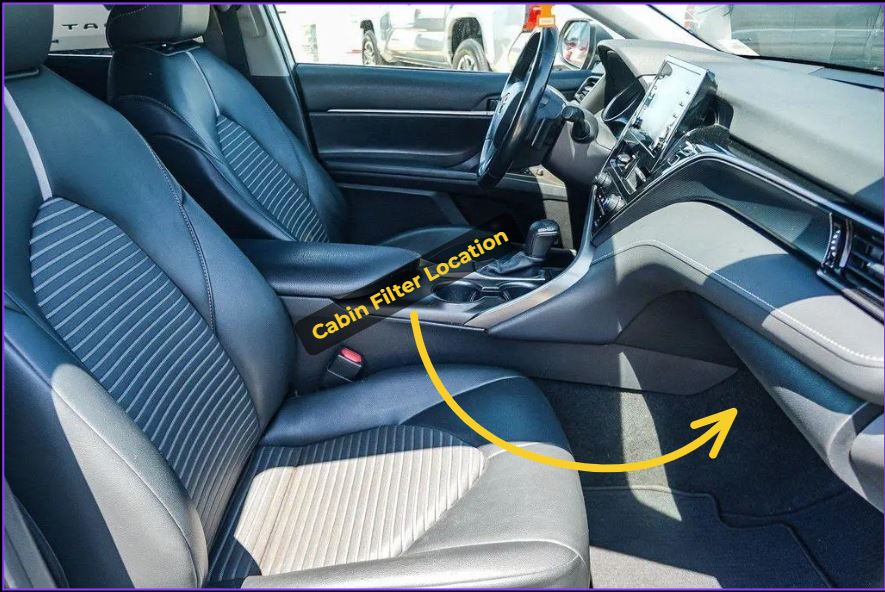
Good news — it’s easy to get to.
On every Camry from the early 2000s onward, the filter sits behind the glove box.
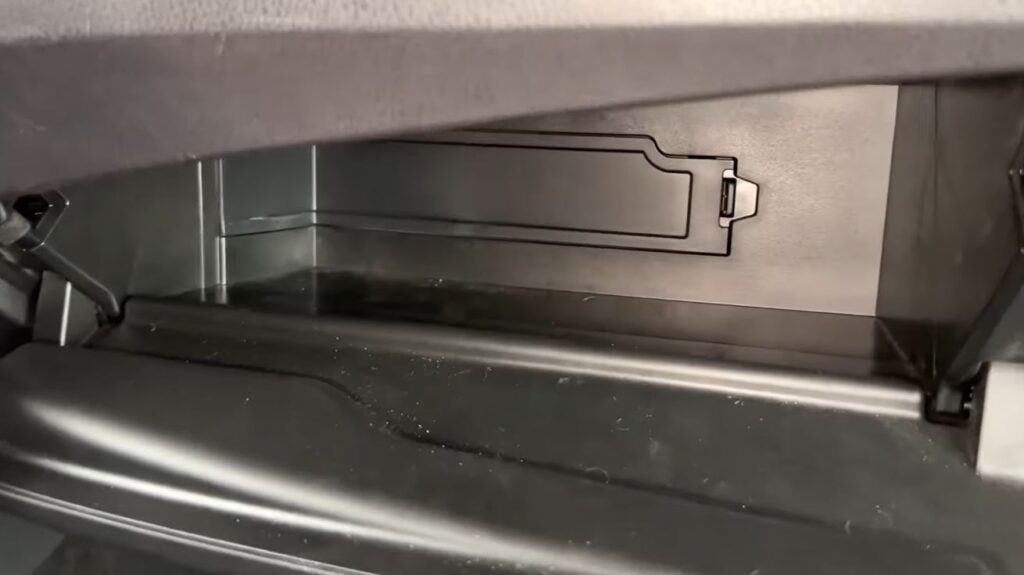
You don’t need to crawl under the dash or pop the hood. Just open the glove box, and the filter housing is right there.
Heads up if you have an older Camry (1992–2001): Some of these models didn’t come with a cabin filter slot from the factory at all.
Owners on forums have actually modified the housing to add one — it’s a known DIY mod for 3rd- and 4th-gen Camrys if you really want one. Not required, just an option some people do for peace of mind.
From the 5th generation onward (2002+), every Camry has one built in.
DIY Replacement: It’s Genuinely Easy
This is one of those jobs where paying a shop feels like a waste of money. No tools needed. Takes about 5 minutes once you’ve done it once.
Here’s how:
- Open the glove box and take everything out so it doesn’t get in the way.
- You’ll see a cover; open it by pressing a clip on the right side, and you’ll find the filter housing.
- Open the housing by pinching the clips on the right side together, pulling it outward slightly, and sliding it to the right to remove it.
- Pull out the old filter and check the housing for any leaves or dirt, then remove them.
- Slide the new filter into place. Just make sure the “UP” arrows printed on the side of the filter are pointing upward.
- Snap the cover back on. Put the filter cover back on by fitting the left side into its slots first, then press the right side in until you hear it snap securely into place.
The instructions above apply to all model years of the Toyota Camry. You might notice slight differences in the shape of the filter cover or housing, but essentially they’re all the same.
I’m confident you can do this yourself at home, it’s very easy. Even my wife, who is a midwife with absolutely no technical background, was able to do it.
That’s it. If you want a visual walkthrough, there are several solid YouTube tutorials specifically for Camry models that show the same steps in under 3 minutes.
How Often Should You Replace It?
Toyota’s official number is every 15,000 miles, or once a year — whichever comes first.
But honestly? That’s a “normal conditions” number. Real-world replacement depends a lot on where you drive.
Here’s a more realistic breakdown:
- Every 15,000–20,000 miles: Normal city/highway driving.
- Every 10,000–12,000 miles: Dusty roads, construction zones, or heavy traffic.
- Consider checking every 6 months: Rural area, lots of pollen, or you have allergies.
One Camry owner on a forum nailed it — they said their dealer pushed for a filter change every 5 months, which is honestly overkill unless you’re driving through a dust storm daily; once a year is plenty for most people.
Personally, I don’t base it on mileage, years, or months. Instead, I always check the filter’s condition as often as possible—sometimes every three months or whenever I’m detailing the interior.
That way, I can see the filter’s condition firsthand. If it looks dirty, I just order a replacement online and change it myself.
For a part that costs no more than a box of pizza, I don’t cut corners. I even keep a stock of several cabin filters for all the cars in my garage.
My point is, don’t wait until you smell a musty odor in your car’s cabin. A clean cabin filter ensures the air inside your Camry stays fresh and clean.
Signs Your Cabin Filter Needs Changing
You don’t have to wait for the mileage number to hit. Your car will usually tell you first.
Watch out for:
- Musty or moldy smell when the AC first kicks on
- Weaker airflow from the vents, even on the max setting
- AC takes longer to cool the cabin than it used to
- More sneezing or allergy symptoms while driving
- Visible dust blowing out of the vents
If two or more of these sound familiar, it’s probably time.
What Cabin Filter Should You Buy?
The OEM Toyota part number most commonly used for Camry models (2012 and newer) is 87139-YZZ93. Worth screenshotting if you’re ordering online so you don’t end up with the wrong fitment.
You don’t actually have to buy the OEM version; there are many cabin filters for the Camry on the market today that are just as good as—or even better than—the OEM ones.
You’ve basically got three options:
Basic filter — Just traps dust and pollen. Cheapest option, does the job fine for most people.
Activated carbon filter — Same dust/pollen trapping, plus a carbon layer that absorbs odors. Good if you drive near industrial areas or sit in traffic a lot.
Antimicrobial filter — The premium option. Blocks bacteria and mold growth on top of everything else. Worth it if anyone in the car has allergies or asthma.
A few Camry owners on forums have switched from OEM to aftermarket filters with thicker felt sealing on all four sides — not just two — and reported noticeably less sneezing during allergy season. Your mileage may vary, but it’s a cheap experiment if you’re curious.
Personally, I stick with the basic cabin filter. My reason is simple: it’s inexpensive. Since it’s easy to use and replace, I’d rather replace the filter every 6 months for $8 than once a year at a much higher price.
How Much Does It Cost?
At a dealership or shop: Usually $30–$70 total, depending on the filter type and your area. Some dealers charge extra labor even though they’re already removing the glove box for inspection — annoying, but common.
Doing it yourself: The filter alone typically runs $10–$35 depending on the brand and type (carbon/antimicrobial cost more). No labor cost since it takes you 5 minutes.
If you’re already comfortable popping open a glove box, this is one of the easiest ways to save $30–$50 a year on car maintenance.
Does It Filter Air in Recirculate Mode Too?
Yes. A common question Camry owners ask: does the cabin filter only clean fresh outside air, or does it also filter air when you’re in recirculate mode?
The answer is both. Whether your car is pulling in fresh air from outside or cycling the air already inside your cabin, it still passes through the same filter. So running recirculate mode doesn’t bypass the filter — it just reduces how much new outside air gets pulled in.
FAQ: Toyota Camry Cabin Air Filter
Enjoy Fresh Air Every Time You Drive
The cabin air filter is one of the most overlooked parts on a Camry — small, cheap, and easy to ignore until your AC starts smelling weird.
The good news is, it’s also one of the easiest things to fix yourself. Five minutes, no tools, and you’ll notice the difference in airflow almost immediately.
Set a yearly reminder, or tie it to your annual oil change schedule. Your nose will thank you.